
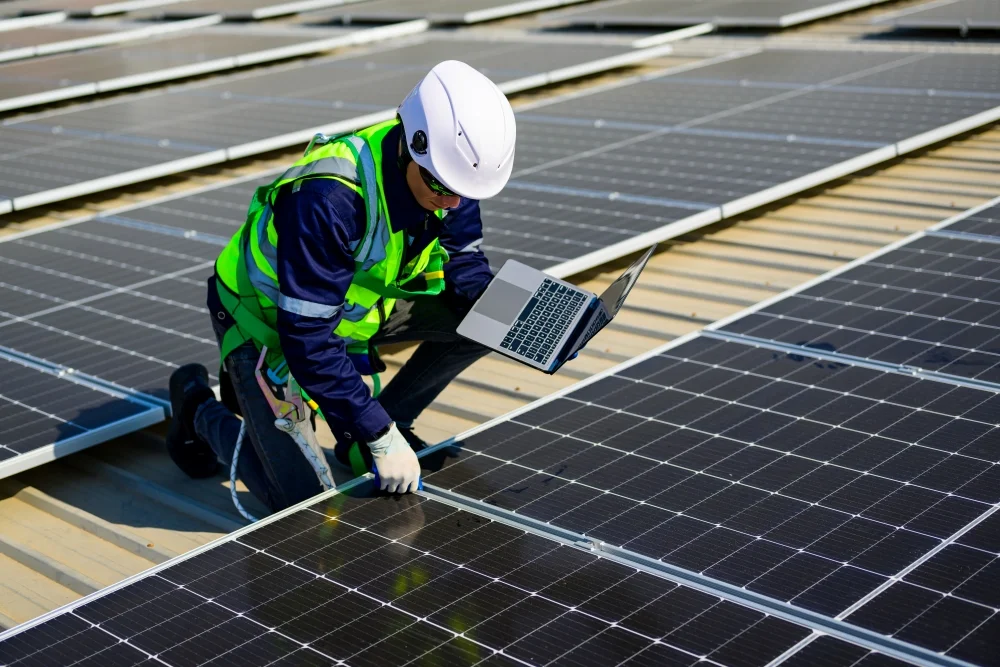
Solar Energy: Meeting the Growing Demand for Reliable Power
Reliable electricity is essential for both homes and businesses. However, frequent power outages and rising fuel costs have made it increasingly difficult for many people to depend solely on traditional power sources. As a result, more individuals and organizations are turning to solar energy as a practical and sustainable alternative.
Understanding Solar Energy
Solar energy is power generated from sunlight using solar panels. These panels capture sunlight and convert it into electricity that can be used to power homes, offices, and other facilities.
Unlike generators that require fuel, a solar system relies on a renewable resource that is available every day. Therefore, it offers a cleaner and more environmentally friendly energy solution.
The Benefits of Solar Solutions
One of the biggest advantages of a solar system is its ability to reduce electricity costs over time. Although the initial installation may require an investment, users often experience significant savings in the long run.
Additionally, solar systems provide greater energy independence. Instead of relying entirely on the national grid or fuel-powered generators, homeowners and businesses can generate their own electricity.
Furthermore, a solar system is quieter, cleaner, and requires less maintenance compared to traditional generators.
Why Businesses Are Adopting Solar Solutions
For many businesses, a consistent power supply is crucial for daily operations. Frequent outages can lead to reduced productivity and financial losses.
Consequently, businesses are increasingly investing in solar energy systems to ensure uninterrupted operations. By doing so, they can improve efficiency while reducing operational costs.
Moreover, companies that adopt solar systems often demonstrate a commitment to sustainability, which can enhance their reputation among customers and stakeholders.
Important Factors to Consider Before Going Solar
Before installing a solar system, it is important to assess your energy needs. Understanding your electricity consumption helps determine the appropriate system size.
In addition, choosing quality equipment and working with experienced installers can significantly improve the performance and lifespan of the system.
Therefore, proper planning and professional guidance are essential for maximizing the benefits of a solar system.
Conclusion: Investing in a Sustainable Future
A solar system is more than just an alternative power source; it is an investment in long-term energy security and sustainability. As electricity challenges continue to affect homes and businesses, solar power offers a reliable and cost-effective solution.
Ultimately, adopting a solar system today can help individuals and organizations enjoy greater energy independence while preparing for a more sustainable future.