
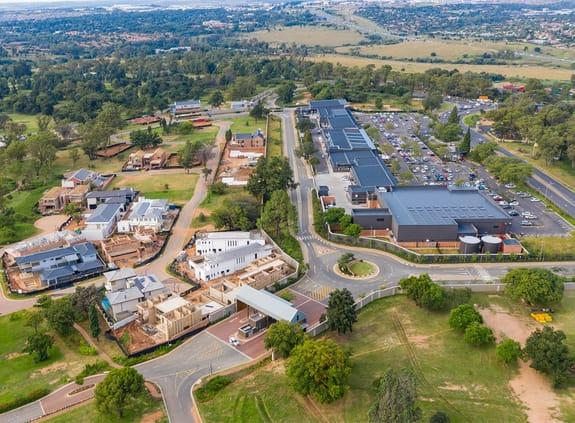
Real Estate Value in Growing Markets
Real estate remains one of the most valuable assets individuals and businesses can acquire. However, not all assets increase in worth at the same rate. Understanding the factors that influence market performance can help buyers, investors, and developers make informed decisions. Therefore, recognizing what drives value growth is essential for long-term success.
The Influence of Location
Location continues to play a critical role in determining market worth. Areas with strong transportation networks, quality schools, healthcare facilities, and commercial activity often attract greater demand.
Consequently, developments situated in strategic locations are more likely to experience sustained growth over time.
Infrastructure Development
Infrastructure improvements can significantly influence market trends. New roads, bridges, public utilities, and transportation systems often increase accessibility and attract residential and commercial activities.
As a result, communities that benefit from major development projects frequently experience increased demand and stronger market performance.
Economic Activity and Demand
Economic growth often contributes to higher demand for residential and commercial spaces. When employment opportunities increase and businesses expand, the need for housing and commercial facilities typically rises.
Therefore, areas experiencing economic development may witness stronger market conditions and improved asset performance.
Maintenance and Upgrades
The condition of a building can greatly influence its appeal and market position. Regular maintenance helps preserve quality, while strategic upgrades can improve functionality and attractiveness.
Furthermore, well-maintained developments often command greater interest from potential buyers and tenants.
Community Growth and Accessibility
The overall quality of a community can impact market demand. Factors such as security, accessibility, recreational facilities, and public services contribute to the attractiveness of an area.
Consequently, developments located within thriving communities often benefit from stronger long-term performance.
Conclusion: Understanding Long-Term Growth
Real estate value is influenced by a combination of factors, including location, infrastructure, economic activity, maintenance, and community development. By understanding these drivers, individuals and organizations can make more informed decisions and position themselves for future growth.
Ultimately, a well-informed approach can help maximize opportunities and support long-term financial objectives.