
Energy Efficiency for Homes and Businesses
Managing energy consumption has become increasingly important for both homeowners and business owners. As energy costs continue to rise, finding ways to use electricity more effectively can lead to significant savings. Therefore, adopting energy-efficient practices is essential for reducing expenses and improving overall performance.
Understanding Energy Consumption
The first step toward reducing energy waste is understanding how electricity is used. Many households and businesses consume more power than necessary due to inefficient equipment and poor energy management habits.
Consequently, monitoring energy usage can help identify areas where improvements can be made.
Choosing Energy-Efficient Appliances
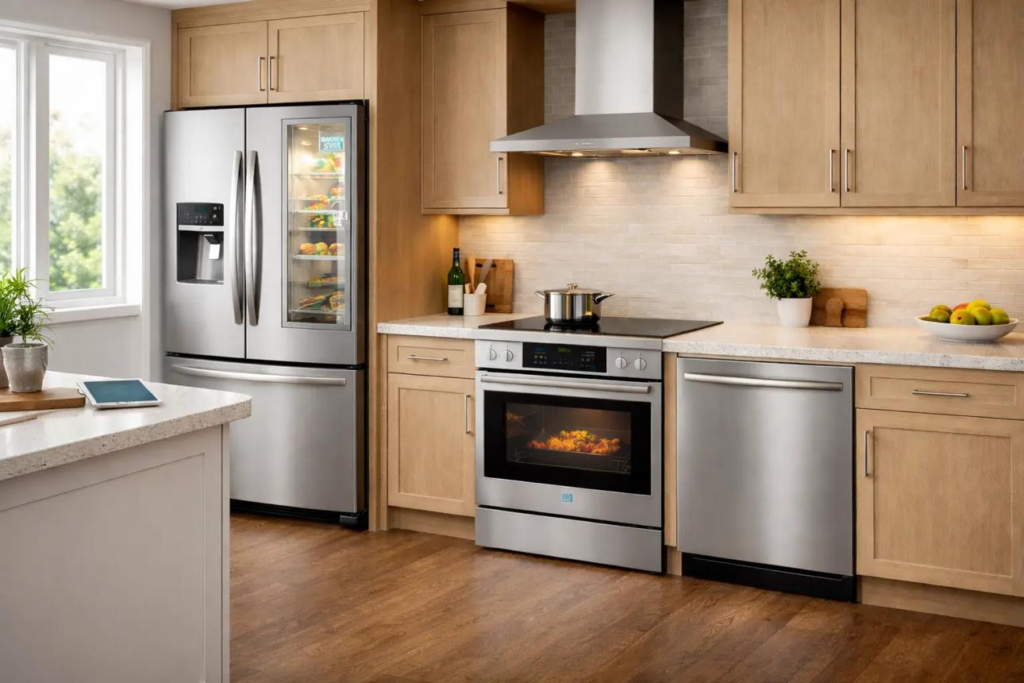
Modern appliances are designed to consume less electricity while maintaining high performance. As a result, replacing outdated equipment with energy-efficient alternatives can significantly reduce monthly utility costs.
Furthermore, investing in efficient appliances can contribute to long-term savings and improved sustainability.
Maintaining Electrical Systems
Regular maintenance plays a crucial role in improving energy performance. Faulty wiring, damaged equipment, and neglected systems can increase energy consumption and reduce efficiency.
Therefore, routine inspections and timely repairs can help ensure optimal performance and prevent unnecessary energy loss.
Adopting Smart Energy Practices
Simple habits can make a noticeable difference in energy consumption. For example, turning off unused appliances, using natural lighting during the day, and managing power usage during peak periods can help reduce electricity costs.
In addition, smart energy management encourages more responsible and sustainable consumption.
Exploring Renewable Energy Solutions
Renewable energy technologies offer an effective way to improve energy management while reducing dependence on traditional power sources. Consequently, many homeowners and businesses are exploring alternative solutions that support long-term sustainability.
Moreover, integrating modern energy systems can provide greater reliability and cost savings over time.
Conclusion: Building a More Efficient Future
Energy efficiency is not only about reducing costs; it is also about making better use of available resources. By understanding energy consumption, maintaining equipment, and adopting smarter practices, individuals and organizations can improve performance and achieve long-term savings.
Ultimately, investing in efficient energy solutions today can help create a more sustainable and financially secure future.